
Strategies for building strength in the IVF journey.
Embarking on the path to parenthood can be an incredibly exciting journey, but for many, it comes with its unique set of challenges. In a world that often celebrates the joyous moments of pregnancy and childbirth, those facing infertility (1 in 6 couples) often find themselves on a less understood and less supported journey, one that they often must navigate alone due to the stigma still attached to infertility.
So, whether you are at the beginning of this journey, or have been navigating its ups and downs for a while, this article will share some strategies to empower your journey and give you coping tools to help you take back control of your journey and your life.
Firstly, it’s important to remember that infertility is not just a medical condition; it’s a life-altering experience that affects every part of your life, so it’s ok to feel overwhelmed and out of control, that’s normal!
If you need to have fertility treatment, you, unfortunately, will need to accept that the medical side of treatment is pretty much out of your control, which can feel overwhelming and scary, but it doesn’t mean that you can’t take control of some parts of treatment and your life. You can make choices to help you cope through treatment and ensure you are in the best state, emotionally and physically, to start treatment.
Take control of the things you can do:
When you are feeling like you have no control over anything, think about the different areas of your life where you do have control over the choices you make.
Your lifestyle
Make sure you are eating well – fertility-friendly foods, keep hydrated and take the vitamins recommended by your GP/Fertility consultant.
Get enough rest – give your body the chance to recharge.
Make healthy lifestyle choices – cut down or ideally give up the things that can affect your fertility – smoking, caffeine, alcohol, and drugs.
Your mindset
Manage negative thoughts – identify patterns of negative thoughts, write down the negative thoughts you are having, then think about whether they are helpful, and whether they are true. If they are not helpful or true, then permit yourself to let them go.
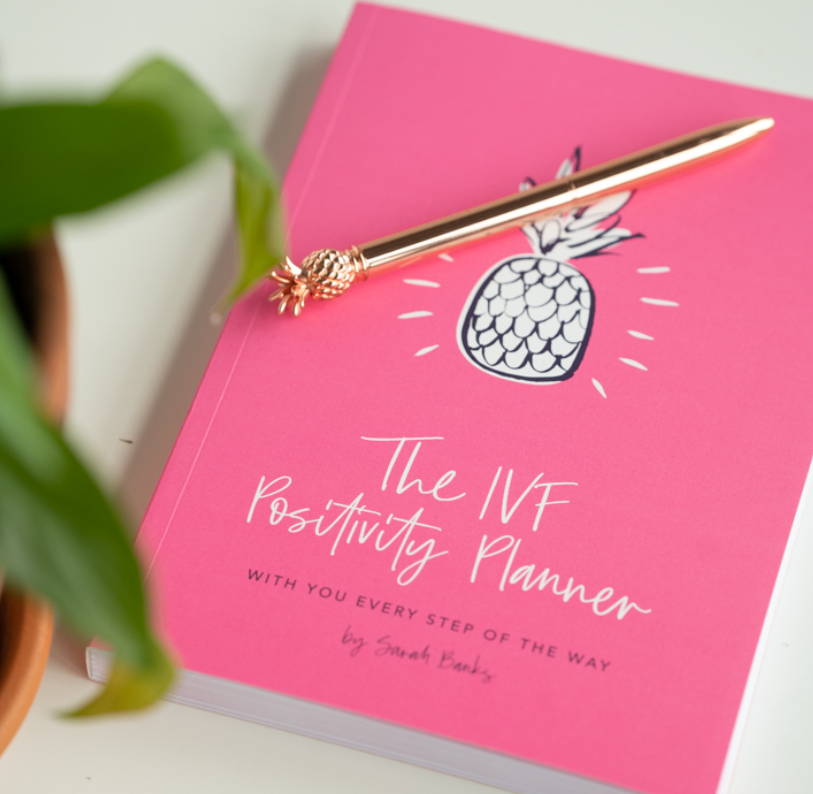
Journaling has been found to improve your emotional and physical health, by reducing stress and boosting your mood. Writing down your feelings is a great way of releasing those emotions safely, whilst also giving you some calm time for yourself. My IVF Positivity Planner is the perfect IVF companion to help you take control through treatment, whilst helping you keep a positive mindset.
Your emotional wellbeing
Be kind to yourself – don’t judge yourself harshly for how you feel, it is normal to feel a whole range of emotions. Accept when you are feeling more negative emotions and think about how you can make yourself feel better.
Plan in time to see friends that lift you up, that will support and distract you, especially during the more challenging points of treatment.
Seek professional support if you feel you are struggling emotionally and need some support to
deal with your deeper emotions.
Look at holistic wellbeing support as an additional support tool for you. Acupuncture and reflexology are reported to be helpful from an emotional wellbeing perspective as well as having physical benefits for infertility.
Find ways to cope as a couple – keep talking about how you are feeling, what support you need, and what you can do together to look after each other through treatment.
Practical things
Do your research – Read up on the treatment process so you understand what you may need, and you can go to your appointments fully prepared with questions and know that you are making informed decisions about your treatment.
Keep track of your finances and have a plan for funding IVF and other areas of your life.
Educate yourself!
Knowledge is your superpower on your infertility and IVF journey. Research on reputable sites to find out everything you need to know about different treatments (IUI, IVF, ICSI, Clomid), the medical terminology and the challenges of treatment.
Once you are armed with information you can understand your treatment options and make informed decisions about what is right for you. The more you know, the more empowered you’ll feel. Knowing what to expect can help alleviate anxiety and give you a sense of control.
Also, don’t hesitate to ask questions during consultations with your medical team. Take notes, seek clarification, and advocate for yourself if you are still unsure.
Build your support network
On your IVF journey, it’s essential to surround yourself with a supportive network that understands and uplifts you. Seek the comfort and understanding of family and friends, or even online communities who have gone through similar experiences. Having people who empathise with your emotions and challenges can make a world of difference. Remember, you don’t have to navigate this journey alone!
Online support communities can become a source of hope, encouragement, and a safe space to express your thoughts and concerns. There are lots of online support groups, including a few male-only groups, and there is a huge fertility community on Instagram that shares their journeys, support and advice.
If you are struggling emotionally regularly, seek support from a trained counsellor. They can provide guidance and help you navigate the emotional challenges that may arise.
I run a free support group on Facebook that is full of other amazing people on this journey who can give you much-needed validation and support. It’s called TTC Support UK, and you are more than welcome to join.
Prioritise self-care
During the emotionally and physically demanding journey of IVF, it’s crucial to prioritise self-care.
Take time to nurture your well-being and give yourself time to recharge. Engage in activities that bring you joy, whether it’s reading a good book, taking a soothing bath, or pursuing a hobby you love.
Remember to be kind to yourself throughout the process. Practice relaxation techniques that help calm your mind and body. This could include deep breathing exercises, meditation, or gentle yoga. Find what works for you and incorporate it into your daily routine.
Coping as a couple
Even if you have a very strong and supportive marriage/partnership, fertility issues can still put a strain on your relationship. Your experiences of the process may be very different, so it’s crucial that you keep communicating.
Talk about your expectations, treatment wishes, and the level of involvement you each desire if you go through treatment. Remember, you’re a team, supporting and understanding each other throughout this process.
Engage in honest conversations, listen attentively, and support one another. Also, make time for each other away from treatment – set designated ‘no baby/IVF talk’ to make sure you are focussing on each other, rather than just trying to get pregnant.
Remember that infertility doesn’t define you and it doesn’t have to take over your life. There are lots of ways you can take control of aspects of treatment and even more ways you can regain control over your life and future.
If you are struggling, reach out for support, you don’t need to go through this alone!

Links to my planner, course and free support resources:
Instagram link
https://www.instagram.com/ivfpositivityplanner/
Planner link
My self-study coaching course – Empower your IVF
sarah-banks-s-school.teachable.com/p/empowered-ivf
Support group link
https://www.facebook.com/groups/ttcsupportuk
My Bio:

Sarah is a qualified personal development coach, and author of the bestselling IVF Positivity Planner, and the Menopause Positivity Planner, unique coaching journals that help people stronger and more in control while going through challenging life events
She has been working in the field of fertility for 7 years, raising awareness of infertility and the need for support, and she is the co-author of the EFS Fertility Patients Care Guidance and part of their accreditation team.
Sarah provides training to fertility professionals worldwide, helping them create a strong emotional support service. She runs numerous online and face-to-face support groups, providing much-needed peer understanding and support.
Sarah also works with organisations to support management and employees through fertility treatment and menopause, delivering training sessions, workshops and strategy sessions.
Through her work and her own personal IVF journey, Sarah has a deep understanding of the impact on emotional and mental health that infertility causes, and the support that is needed.
She has consulted with and delivered training to many organisations, including Nat West, Aviva, NHS, Matalan, Ferring Pharmaceuticals, Merck, and fertility clinics across the world.