
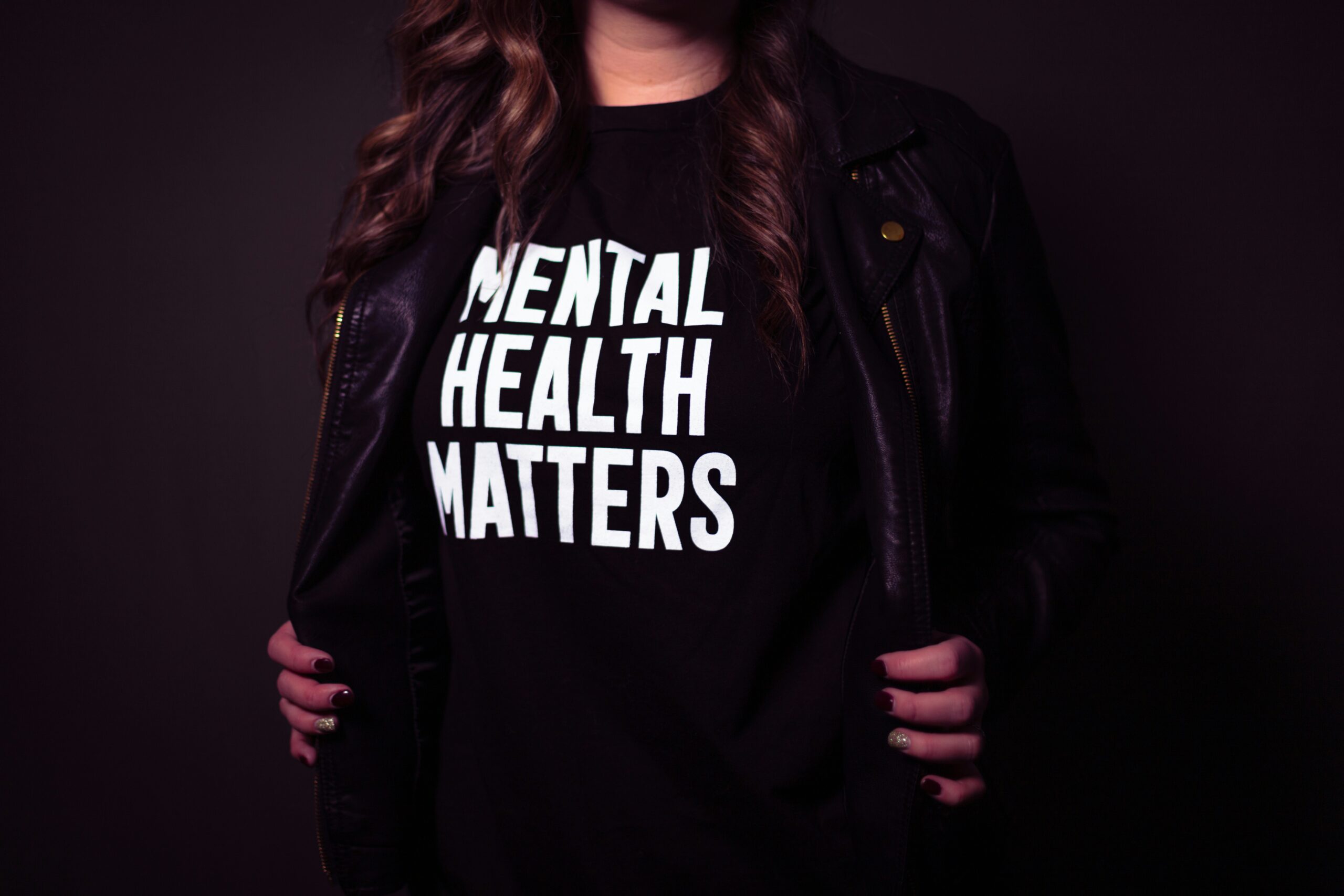
Mental health is an integral part of overall well-being, affecting our emotional, psychological, and social health. It influences how we think, feel, and act, impacting our ability to handle stress, relate to others, and make decisions. Recognising when someone needs support is crucial, and this is where First Aid for Mental Health (FAMH) becomes essential.
What is First Aid for Mental Health?
First Aid for Mental Health training equips individuals with the skills to assist someone experiencing a mental health crisis. Similar to traditional first aid for physical injuries, FAMH prepares individuals to respond to mental health emergencies, such as anxiety attacks, depression, substance use issues, and suicidal thoughts. The goal is to provide initial support until professional help can be obtained.
Impact of Poor Mental Health
Poor mental health can significantly impact a person’s life, leading to reduced productivity, strained relationships, and physical health problems. Chronic stress and anxiety can manifest in physical symptoms such as headaches, digestive issues, and a weakened immune system. Untreated mental health issues can escalate into severe conditions, affecting daily functioning and resulting in significant personal and societal costs.
Stigma Around Mental Health
Despite growing awareness, stigma around mental health remains a barrier to seeking help. Many individuals fear being judged, misunderstood, or discriminated against. This stigma stems from misconceptions and a lack of education about mental health conditions. It’s essential to challenge these stereotypes and foster an environment where mental health is treated with the same importance as physical health. Education and open conversations are key to reducing stigma and encouraging people to seek help.
How to Spot the Signs
Recognising signs of poor mental health is the first step in providing support. These signs vary but often include noticeable changes in behaviour, mood, or physical appearance. Someone might withdraw from social activities, display extreme mood swings, show changes in eating or sleeping patterns, or neglect personal hygiene. Other indicators include excessive worry, loss of interest in activities once enjoyed, or expressions of hopelessness.
How You Can Help Someone
If you notice someone exhibiting signs of poor mental health, there are steps you can take. Approach the person non-judgmentally and empathetically. Listen actively to their concerns and offer reassurance. Validate their feelings without dismissing their experiences.
Encourage professional help from a doctor, therapist, or counsellor. Provide information about local mental health resources or help them make an appointment. In cases of immediate danger, contact emergency services.
Maintain confidentiality, adopt a non-judgmental approach, and respect privacy. However, involve professionals if they are at risk of harming themselves or others. By understanding mental health, recognising the impact of poor mental health, challenging stigma, spotting signs, and knowing how to help, we can create a supportive environment. Through education and compassion, we can significantly improve lives, promoting mental well-being and resilience.
Important Numbers:
– NHS 111
– Samaritans 116 123
– Text ‘SHOUT’ to 85258
– ‘Talk to FRANK’ Text 82111
For immediate concerns, call 999 or go to A&E.