
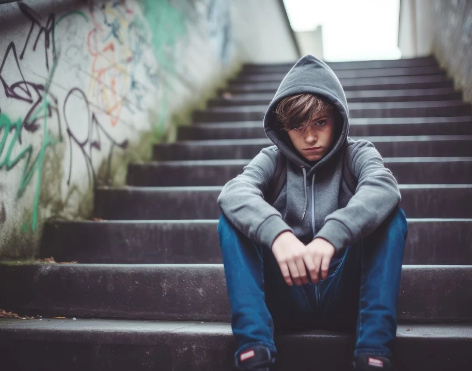
Parenting a child with social anxiety disorder (SAD) can present unique challenges, but understanding what SAD looks like, feels like, and how it impacts children is a crucial step for providing effective support.
What is Social Anxiety Disorder?
SAD is more than just shyness or nervousness. It’s a persistent fear of social situations where embarrassment or scrutiny may occur. Children with SAD often experience intense anxiety about being judged, criticised, or rejected by their peers, leading to avoidance of social interactions.
Signs and Symptoms
- Avoidance of social situations or extreme discomfort when participating in them.
- Excessive worry about embarrassing themselves or being negatively evaluated.
- Physical symptoms such as sweating, trembling, rapid heartbeat, nausea, or even panic attacks in severe cases.
- Difficulty making eye contact or speaking in social settings.
- Fear of speaking or performing in front of others.
These feelings can be overwhelming and distressing, impacting their self-esteem, academic performance, and overall well-being.
Effects on School Life
School can be a significant source of stress for children with SAD. They may struggle to participate in class discussions, make friends, or attend school regularly. SAD can lead to increased school avoidance and academic underachievement in children.
How Can We Help?
Supporting children with SAD requires understanding, patience, and targeted interventions:
- Let your child know that it’s okay to feel anxious and that you support them without judgment.
- Encourage gradual exposure to feared social situations, starting with small steps and gradually increasing exposure over time.
- Teach your child relaxation techniques such as deep breathing, mindfulness, or visualisation to reduce and control anxiety symptoms.
- Role-play social situations at home, provide opportunities for social interaction with supportive peers and praise their efforts.
- Consult a mental health professional specialising in anxiety disorders for assessment and personalised treatment recommendations.
Journaling and art can be powerful tools for children with SAD:
- Encourage your child to write freely about their feelings, fears, and experiences related to social anxiety. Writing can provide relief and clarity.
- Engage your child in art activities such as drawing, painting, or collage to express themselves visually. Art can be a non-verbal outlet for communication and self-expression.
If you’d like some help and support with your child, visit our website www.minfullof.com or email Lisa.art@mindfullof.com