
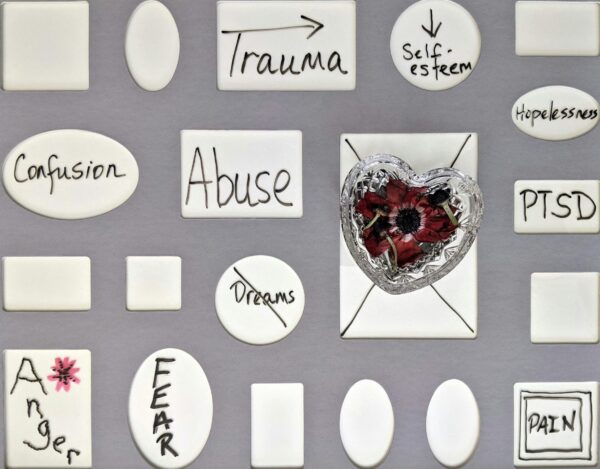
Childhood trauma profoundly impacts women’s lives and neurology, shaping their psychological, emotional, and physical well-being well into adulthood. The long-term effects of such trauma can be extensive, affecting various aspects of their lives, including mental health, relationships, and physical health.
Childhood trauma can disrupt normal development, leading to difficulties in regulating emotions, coping with stress, and forming a stable sense of self. Women who experience trauma during childhood are at a higher risk of developing conditions such as depression, anxiety, and post-traumatic stress disorder (PTSD). A woman who experienced abuse as a child might struggle with feelings of worthlessness and chronic fear, which can manifest as depression and anxiety in adulthood.
Moreover, childhood trauma can lead to maladaptive coping mechanisms. Women who have experienced trauma may turn to substance abuse, eating disorders, or self-harm as a way to manage their emotional pain. These behaviours can further complicate their lives, leading to additional health problems and reinforcing a cycle of trauma and maladaptation.
Interpersonal relationships are also significantly affected by childhood trauma. Women who have endured trauma may find it challenging to form and maintain healthy relationships. They might struggle with trust issues, fear of intimacy, or an inability to establish boundaries. This can lead to a pattern of unstable relationships, including abusive partnerships, which can further exacerbate their emotional and psychological distress.
Childhood trauma has a profound impact on neurology, fundamentally altering brain structure and function. Early trauma, such as abuse or neglect, disrupts normal brain development, leading to long-lasting changes in areas responsible for emotion regulation, stress response, and cognitive function.
Neurotransmitter systems, including those involving serotonin and dopamine, are also disrupted, affecting mood regulation, and increasing the risk of mental health disorders such as depression and PTSD. The altered stress response system, leads to chronic stress and inflammation, contributing to a range of physical and mental health problems.
One key area affected by trauma is the amygdala, the brain’s fear centre, which can become overactive, leading to heightened anxiety and hypervigilance. The prefrontal cortex, responsible for executive functions like decision-making and impulse control, often shows reduced activity, impairing a person’s ability to manage emotions and behaviours effectively.
In addition to these personal challenges, societal factors can compound the effects of childhood trauma on women. Stigma and lack of support can prevent women from seeking help, leading to untreated mental health issues and further isolation.
Childhood trauma also affects men in much the same way, but statistics show that it is much more common for women to suffer depression and anxiety as a result than men. In my practice I work with both genders who have had such experiences. The techniques I use are varied, but in general fall under the category of psychosensory practices. These techniques have proven to be the most effective of all the techniques currently available in resolving trauma and anxiety and do so usually in less than 3 sessions.