
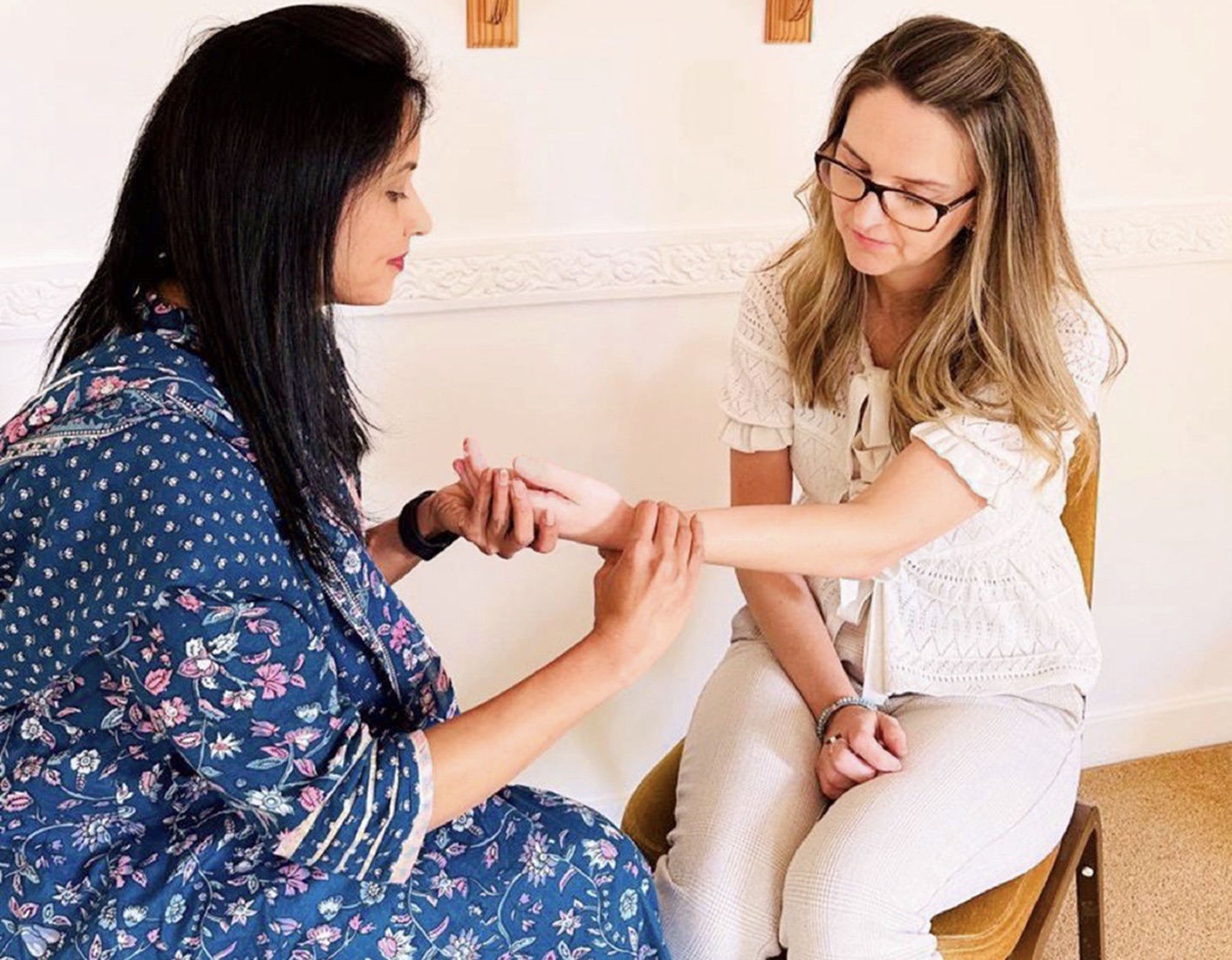
Ayurveda, a holistic system of medicine originating in India over 5,000 years ago, has been gaining recognition worldwide for its ability to harmonise mind, body, and spirit. The Sanskrit word “Ayurveda” translates to the “science of life,” and its principles revolve around maintaining balance to promote well-being and prevent illness. At its core, Ayurveda offers a personalised approach to health by tailoring remedies and lifestyles to an individual’s constitution, or dosha.
In today’s fast-paced world, the promise of natural solutions to pressing health concerns has never been more appealing. From navigating the hormonal ebbs and flows of menopause to addressing the visible signs of ageing, Ayurveda provides time-tested wisdom. This article delves into how this ancient system can guide women through menopause and potentially slow the ageing process, offering a path to vitality and balance.
What is Ayurveda?
Ayurveda is rooted in the idea of balance. It centres on three fundamental bio-energies known as doshas: Vata, Pitta, and Kapha. These doshas govern various physiological and psychological functions in the body, and every individual has a unique combination that defines their constitution.
When the doshas are in harmony, the body thrives. When imbalanced, they can lead to discomfort, illness, or accelerated ageing. Unlike Western medicine, which often treats symptoms, Ayurveda seeks to address the root cause by considering the individual as a whole.
Ayurvedic principles extend beyond just treating ailments; they include lifestyle practices, diet, herbal remedies, and self-care rituals that foster holistic well-being. With a growing interest in natural and preventative healthcare, Ayurveda offers an integrative and gentle approach.
Navigating Menopause with Ayurveda
Menopause is a significant phase in a woman’s life, marking the end of her reproductive years. While it brings natural hormonal shifts, many women experience uncomfortable symptoms, from mood swings and hot flushes to joint pain and insomnia. Ayurveda, with its emphasis on balancing Vata and Pitta doshas during this transitional period, can provide relief.
The Ayurvedic View of Menopause
In Ayurveda, menopause is seen not as a decline but as an opportunity for renewal. The cessation of menstruation, known as Rajonivrutti, signifies a shift into the “Vata stage” of life. Increased Vata can manifest as dryness, anxiety, and instability, while fluctuating Pitta may lead to hot flushes and irritability. Ayurveda recommends balancing these doshas through lifestyle and diet adjustments.
Key Ayurvedic Practices for Menopause
Dietary Adjustments
- Eat warm, nourishing, and easy-to-digest foods.
- Incorporate phytoestrogen-rich ingredients like flaxseeds, sesame seeds, and lentils to support hormonal balance.
- Avoid overly spicy, processed, or cold foods that aggravate Vata and Pitta doshas.
Daily Routines
- Create a consistent daily schedule, prioritising regular meals, relaxation, and sleep.
- Gentle yoga and breathing exercises, such as Nadi Shodhana (alternate nostril breathing), can reduce stress and calm the nervous system.
Self-Massage with Herbal Oils
- Balashwagandhadi Oil for external application is particularly beneficial for individuals experiencing muscle wasting, dryness, or joint pain, thanks to its rejuvenating and strengthening properties.
- Ksheerbala Oil, on the other hand, is primarily for internal use, nourishing the nervous system and deeper tissues.
Herbal Remedies
- Ashwagandha for reducing stress and anxiety.
- Shatavari, known as the “female rejuvenator,” for hydration and vitality.
- Turmeric for its anti-inflammatory and antioxidant properties.

Clarifying Panchakarma and Rasayana Therapy
While often misinterpreted as mere detoxification, Panchakarma is a set of five therapies designed for gentle cleansing and nourishment, aimed at rejuvenating the body rather than simply eliminating toxins. These therapies provide deep renewal and prepare the body for Rasayana Therapy.
Rasayana Therapy focuses on promoting vitality, strengthening the body, and enhancing mental clarity. The inclusion of these rejuvenation therapies during menopause can be invaluable, supporting women in navigating this life stage with resilience and grace.
Slowing the Clock: Ayurveda and Reducing the Signs of Ageing
Ageing is a natural process, yet its effects—wrinkles, reduced energy, and cognitive decline—often feel like an unwelcome intrusion. Ayurveda provides a framework for ageing well, focusing on enhancing vitality and inner balance.
The Ayurvedic Perspective on Ageing
In Ayurveda, ageing is linked to the accumulation of imbalances in the doshas, particularly Vata, which increases naturally with age. Vata dominance can lead to dryness, degeneration, and weakened bodily systems. Ayurveda’s anti-ageing approach combines rejuvenating herbs (Rasayanas), detoxification, and nourishing practices to combat these effects.
10 Ayurvedic Tips to Age Gracefully
- Establish a Dinacharya (Daily Routine)
Consistency in waking, eating, and sleeping helps maintain circadian rhythms and balances the doshas.
- Nourish with Ayurvedic Superfoods
Include ghee, almonds, and turmeric in your diet to support cellular repair and combat inflammation.
- Hydration with Lemon Water
Begin each day with warm lemon water to hydrate, detoxify, and boost skin radiance.
- Herbal Teas and Adaptogens
Tulsi, chamomile, and adaptogenic herbs like Brahmi enhance mental clarity and reduce stress.
- Detoxification (Panchakarma)
Seasonal cleansing rituals help eliminate toxins (ama), revitalising the body and mind.
- Rejuvenating Self-Massage
Regular abhyanga with anti-ageing oils like Chandanadi supports skin elasticity and calms the nervous system.
- Mindful Movement
Yoga and Tai Chi improve flexibility and balance while calming the mind.
- Sleep as a Rejuvenation Tool
Prioritise restorative sleep to reduce cortisol levels and support cellular repair.
- Connect with Nature
Spending time outdoors reduces stress, enhances mood, and aligns your body’s rhythms with the natural world.
- Practice Gratitude and Emotional Wellness
Embrace positivity and let go of past grievances to promote inner peace and slow ageing.
Why Choose Ayurveda?
Ayurveda’s holistic approach offers a natural alternative to chemical-laden beauty products or invasive procedures. Its benefits extend beyond appearance, fostering resilience, mental clarity, and emotional harmony. By addressing the root causes of imbalance, Ayurveda helps restore the body’s natural vitality and radiance.
Whether you’re navigating menopause or seeking to defy the signs of ageing, Ayurveda provides a personalised path to wellness, encouraging you to embrace each phase of life with grace and vitality.
Ayurveda reminds us that wellness is not about resisting time but about harmonising with it. By nurturing your body, mind, and spirit, you can navigate life’s transitions, including menopause, with confidence. Similarly, through mindful practices and personalised care, you can slow the visible and invisible effects of ageing, rediscovering vitality at any stage of life.
Incorporating Ayurvedic principles into your routine doesn’t just improve health—it transforms it, unlocking a potential for balance and renewal that has endured through millennia.
Explore more at www.panchakarmacentre.co.uk or www.nextdoor.co.uk/pages/liverpool-ayurveda-and-herbs-clinic.